
Understanding Shared Autonomous Mobility
Shared Autonomous Vehicles merge automation, electrification and shared access, to create a more equitable, sustainable, and efficient mobility ecosystem. Autonomous transit is safe, respectful of the environment, and cost effective.
-
65%
Fewer collisions vs human drivers
-
145M+
Autonomous miles logged in the U.S.
-
76%
Fewer injury and damage claims
Understanding the Ecosystem
-
![]()
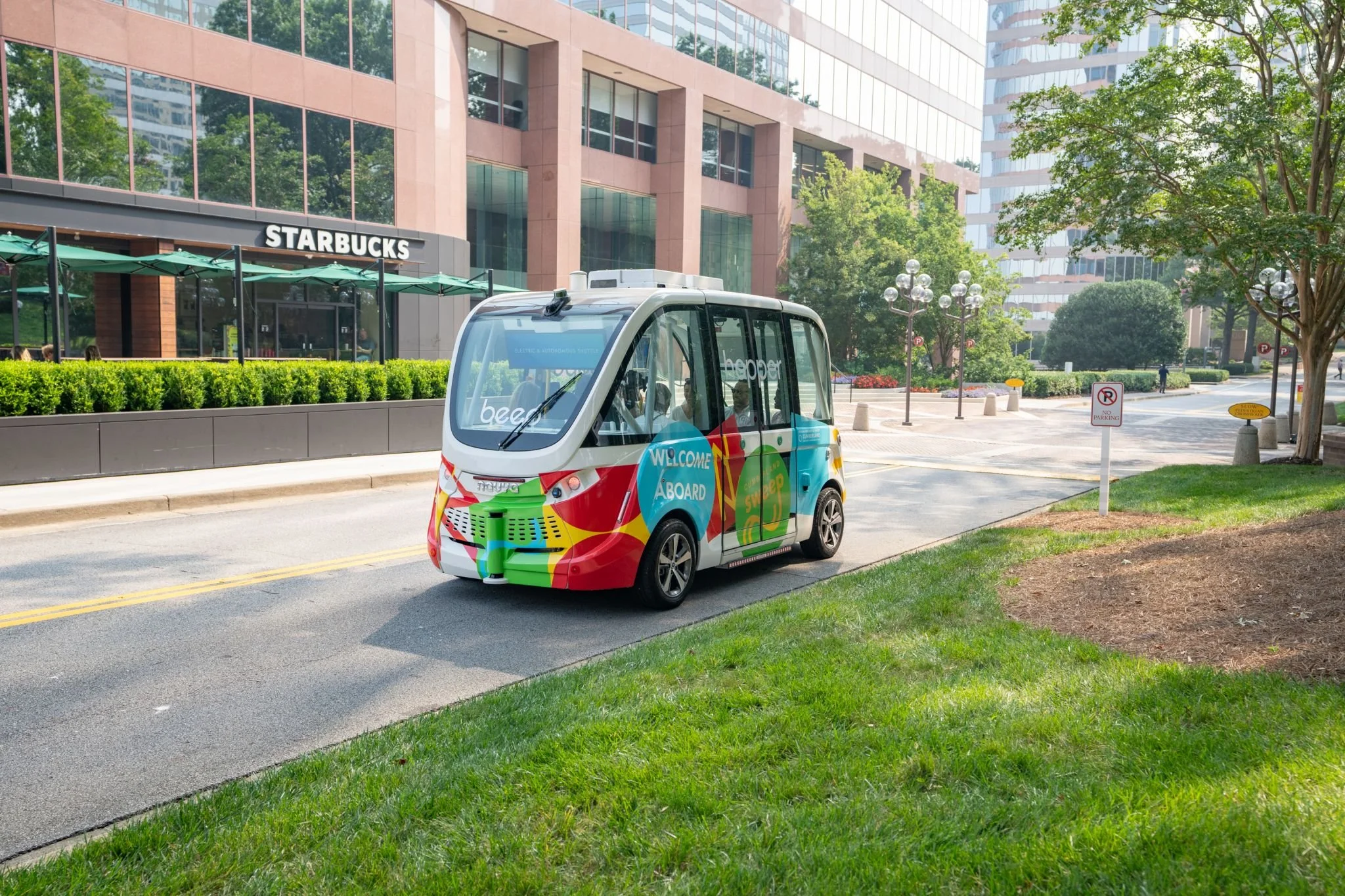
Autonomous vans & microtransit
App-hailed vehicles moving flexibly within a service zone rather than along a fixed line.
-
![]()
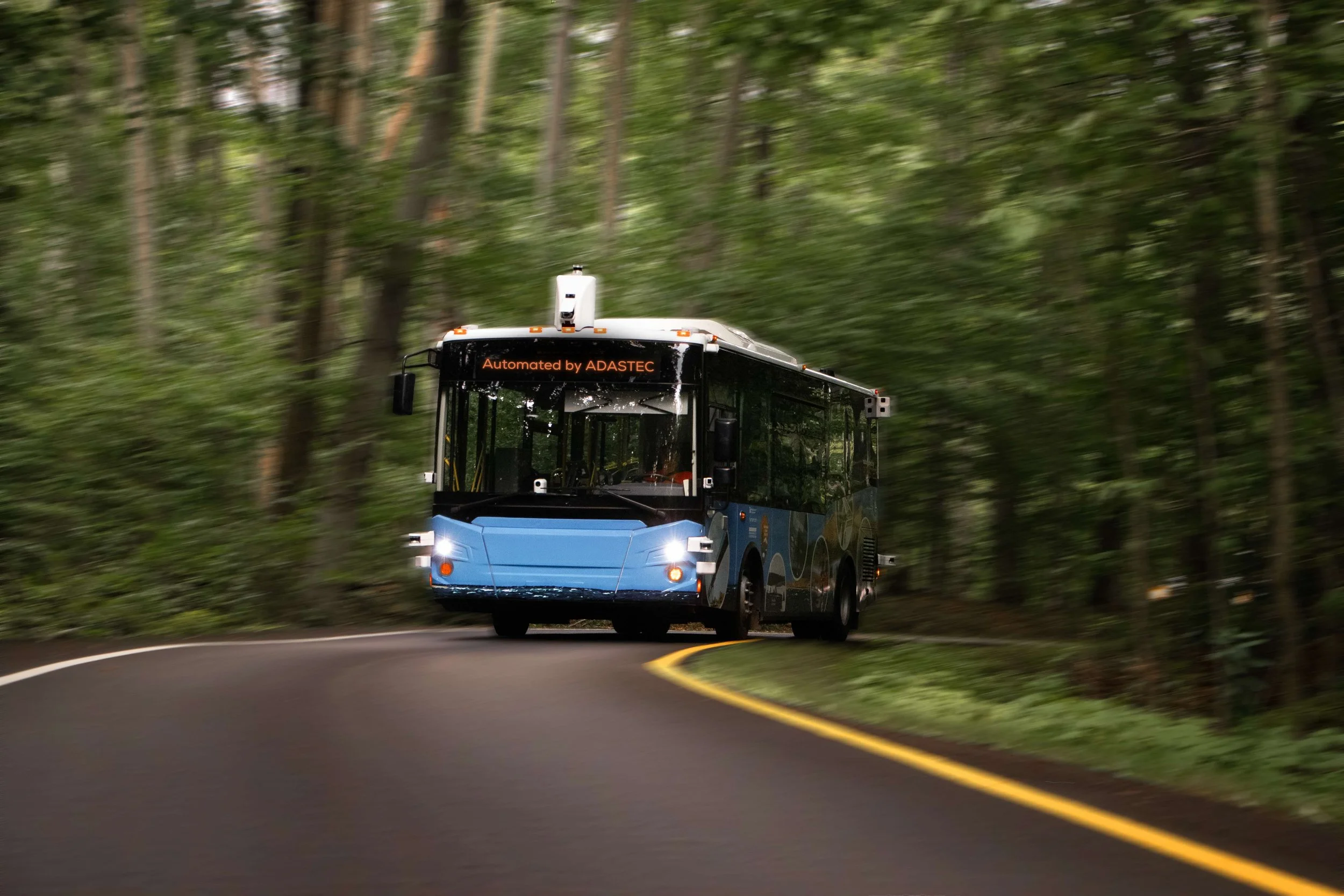
Automated transit buses
Standard, midsized, and small buses running automated driving software on regular roads, in mixed traffic, and on closed loops.
-
![]()
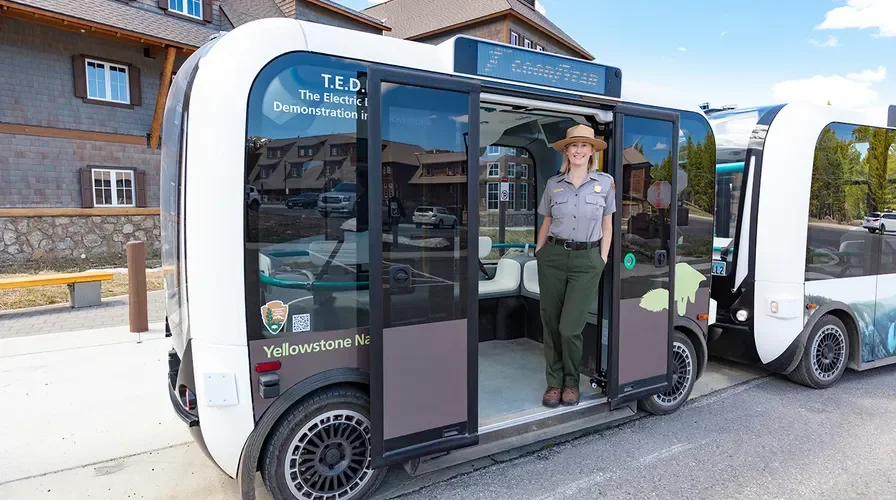
Low-speed shuttles
Driverless electric shuttles running a set loop, with typically 8-15 riders. Used where a full-size bus is more vehicle than the route needs.
-
![]()
Downtown circulators
Fixed-corridor service linking business districts, venues, and transit hubs.
Community Benefits
-
Closes the First- and Last-Mile Gap
Connects riders comfortably and conveniently from home to transit and from transit to their destinations.
-
Serves People Who Can't or Don't Drive
Provides mobility for seniors, students, people with disabilities, and households without a car.
-
Protects Vulnerable Road Users
Enhances safety for pedestrians, cyclists, people with disabilities and everyone sharing the road.
-
Cuts Emissions and Congestion
Reduces emissions and traffic by replacing short solo car trips with shared, often electric, rides.
-
Supports Economic Growth
Supports workforce development and next-generation education to create opportunities for high-quality, high paying jobs.
Safety and Regulation
Low Operating Speeds
Shared Autonomous Vehicles operate well below highway speed, dramatically reducing the risk of collision.
Fixed and Geofenced Routes
In most cases, vehicles operate along predefined routes or within mapped areas, rather than navigating freely across an entire city.
Humans in the Loop
In many cases, agencies and road operators can choose to have trained operators onboard. Alternatively, operators in remote monitoring centers can take control of a vehicle in real time through secure, multi-network connectivity.
Modernizing Policy for Autonomous Transit
Outdated federal rules have slowed the deployment of shared autonomous mobility. ACES advocates for targeted policy changes that remove barriers to procurement, testing and deployment while maintaining strong safety and oversight standards.
Real World Deployments
Shared autonomous transit deployments are already serving communities across the nation. Learn how shared autonomous transit is benefitting these communities.
Workforce & Education
-
A Two-Year AV Degree Program
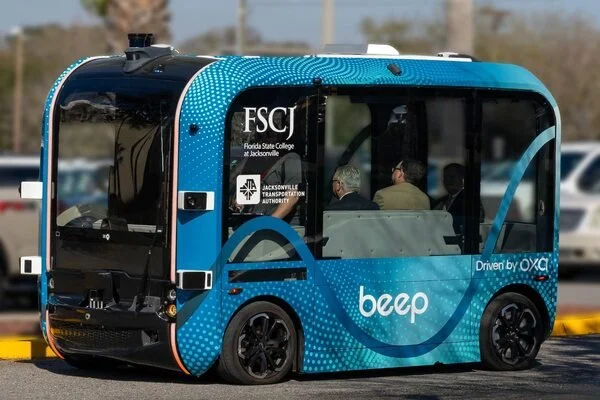
Florida State College at Jacksonville is building a repeatable degree spanning AI, robotics, and vehicle maintenance.
-
Labor at the Table
SporTran signed agreements with USDOT and the Amalgamated Transit Union, and is co-authoring a workforce roadmap.
-
American Manufacturing
HOLON's Jacksonville plant is projected to produce ~5,000 vehicles a year and generate more than 700 jobs by 2028.
Frequently Asked Questions
-
Shared autonomous mobility makes public transportation more convenient, accessible, reliable, and comfortable for people of all socioeconomic backgrounds. It closes gaps between transit stops and riders’ destinations and gives public agencies a cost-effective way to expand service frequency. For seniors, people with disabilities, students and commuters, it can provide a vital connection to jobs, healthcare, education and everyday needs, expanding access and independence for those who may otherwise have no reliable transportation options. Shared autonomous vehicles also improve road safety, reduce emissions and congestion, and support workforce development and next-generation education that create opportunities for high-quality, high-paying jobs.
-
The ACES Mobility Coalition is a public-sector-led organization that educates agencies, federal and state legislators, and the public about the benefits of shared autonomous mobility.
The ACES (Autonomous, Connected, Electric, Shared) ecosystem brings together vehicles, infrastructure, charging and related technologies to advance a safer, more accessible mobility future for all road users.
The Coalition works with stakeholders to increase awareness and lower barriers to deploying shared autonomous mobility solutions that address first- and last- mile transit issues and provide effective alternatives to driving, reducing single-occupancy vehicle trips and traffic congestion.Founded in 2024, the Coalition’s members include transit and transportation agencies, technology innovators, academics, manufacturers and like-minded organizations, all committed to advancing shared autonomous mobility that reduces emissions, supports American workforce growth through education and high-paying jobs, expands access to frequent public transportation, and improves lives nationwide.
-
If you are a stakeholder in any aspect of public transportation or plan to be,, you can have a voice in the conversation and a seat at the table. ACES Mobility Coalition members help influence regulation and policy, network with other industry leaders, and learn about the latest trends and insight, well before other transportation leaders.
-
Moving Autonomous Transit Forward
Join transit agencies, technology providers, researchers and operators shaping policy and advancing safe, equitable autonomous mobility.